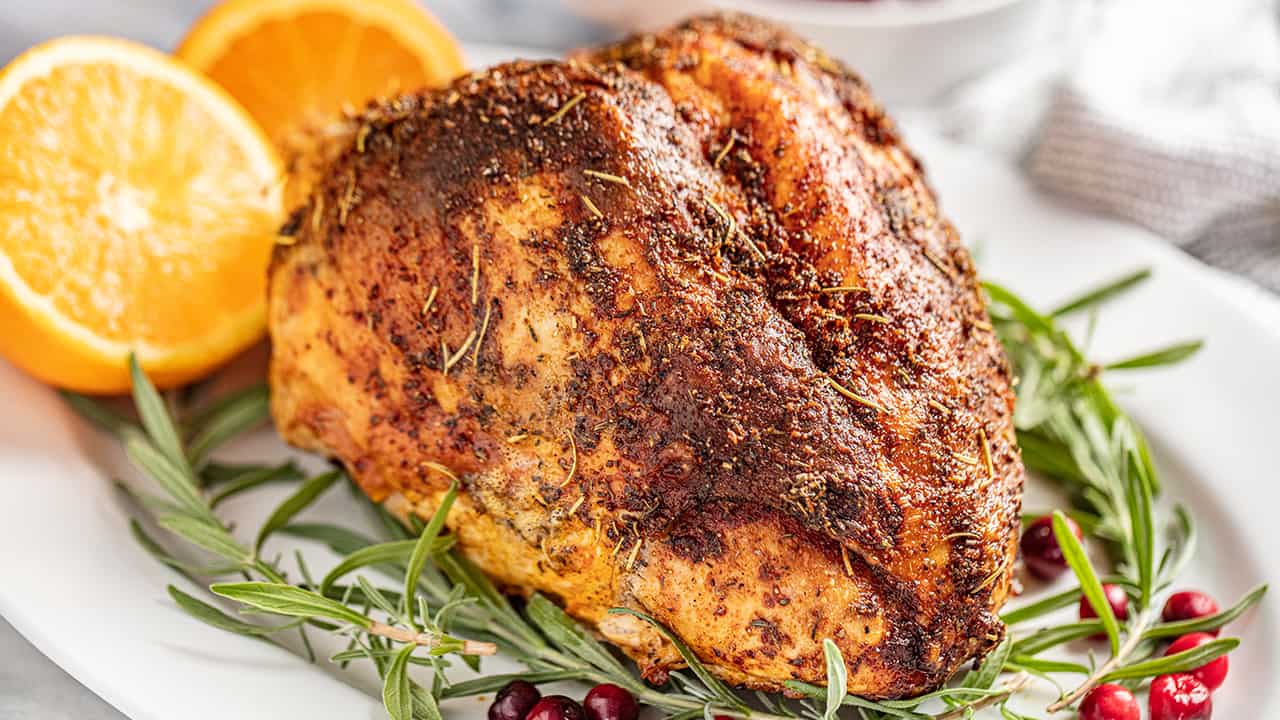
Roast Turkey Breast: Perfect for Smaller Holiday Meals
The holidays are a time for warmth, togetherness, and, of course, delicious food. But for many, the thought of roasting a giant whole turkey can feel overwhelming, especially if you're hosting a more intimate gathering. Enter the humble yet magnificent **roast turkey breast**. This culinary hero offers all the traditional flavors and festive appeal of a full bird, without the fuss, excessive leftovers, or lengthy cooking times. Whether you're planning a cozy Thanksgiving for two, a smaller family Christmas dinner, or simply crave succulent white meat any time of year, mastering the art of a perfectly roasted turkey breast is a game-changer for your holiday table.
The Undeniable Appeal of Roast Turkey Breast
Gone are the days when a holiday feast *had* to involve a behemoth whole turkey. For modern celebrations, the **roast turkey breast** presents a compelling alternative that doesn't compromise on flavor or festive spirit. Its primary advantage lies in its practicality. Imagine: no wrestling with a large, awkward bird, significantly reduced cooking time, and far less stress in the kitchen.
For smaller households, couples, or those who simply prefer white meat, roasting a turkey breast means you get to enjoy that golden-crisp skin and tender, juicy meat without being left with mountains of leftovers that quickly lose their appeal. It's an economical choice too, often proving more cost-effective than purchasing a whole turkey, especially if dark meat isn't a favorite. Moreover, the focused cooking of a breast ensures every slice is moist and flavorful, something often harder to achieve with a whole bird where dark and white meat cook at different rates. Embrace the simplicity and efficiency, and reclaim your holiday cheer!
Mastering the Art of a Flavorful Roast Turkey Breast
Achieving a perfectly moist and flavorful **roast turkey breast** is surprisingly straightforward, relying on a few key techniques and a carefully chosen blend of aromatics. The secret to exceptional flavor and that coveted crisp skin lies in what goes *under* and *over* the skin.
Essential Ingredients for Maximum Flavor
The foundation of a delicious turkey breast starts with a vibrant herb butter or olive oil rub. This creates a flavorful barrier that locks in moisture and infuses the meat from the inside out. A classic combination involves:
- Aromatic Fats: Softened butter or quality olive oil acts as the carrier for your seasonings and promotes beautiful browning.
- Fresh Herbs: Rosemary, thyme, and sage are quintessential holiday flavors. Finely chop them to ensure even distribution.
- Garlic & Lemon: Minced garlic provides a pungent depth, while lemon zest (or a squeeze of juice) brightens the entire profile.
- Classic Spices: Paprika adds color and a subtle warmth, while onion powder, garlic powder, black pepper, and salt form a robust savory base.
This aromatic mixture, generously rubbed under and over the skin, ensures every bite is bursting with traditional holiday goodness. For more detailed insights into crafting the perfect herb butter and achieving that ideal skin, you might find this article useful:
Easy Herb Butter Roast Turkey: Juicy & Crispy Skin.
Preparing Your Turkey Breast for Roasting
- To Brine or Not to Brine? For an extra layer of moisture and flavor, brining is highly recommended. Whether you choose a wet brine (submerging in a seasoned liquid) or a dry brine (rubbing with salt and seasonings), allow ample time for the flavors to penetrate the meat – typically 12-24 hours. Brining helps the turkey retain moisture, resulting in a more succulent final product.
- Thawing Safely: If starting with a frozen turkey breast, proper thawing is crucial for food safety and even cooking.
- Refrigerator Method: The USDA recommends allowing 24 hours per 5 pounds of turkey. For an 8-pound breast, this means about 2 days. Keep the turkey in its original packaging and place it on a rimmed baking sheet to catch any drips.
- Cold Water Method: For a faster thaw, keep the breast in its original packaging, place it in a zip-top plastic bag, and seal it well. Submerge the breast in cold water (a large pot works well), changing the water every 30 minutes. This method typically takes 2 to 6 hours, depending on the size of the breast.
- Seasoning Strategy: Once thawed and patted dry, gently loosen the skin of the turkey breast to create a pocket. Rub a generous amount of your herb butter or olive oil mixture directly onto the meat under the skin. This ensures the flavor permeates the flesh. Then, apply a lighter coating over the skin to encourage browning and crispness.
The Roasting Process: Simplicity is Key
One of the most appealing aspects of roasting a turkey breast is its straightforward cooking process. A gentle oven temperature is key to maintaining moisture.
- Temperature Control: A constant temperature of **325°F (160°C)** is ideal for ensuring the meat cooks through evenly without drying out. Some recipes suggest 350°F, which can also work, but 325°F offers a slightly more forgiving window for moistness.
- No Basting or Foil Required: Thanks to the fat and seasonings rubbed under the skin and the consistent low temperature, frequent basting or covering with foil is often unnecessary. The skin naturally crisps and protects the meat, while the fat melts and self-bastes.
- Monitoring Doneness: The most crucial step is to cook to the correct internal temperature. Insert a meat thermometer into the thickest part of the breast (without touching the bone, if present). The turkey is fully cooked when it reaches **165°F (74°C)**.
- The All-Important Rest: Once cooked, remove the turkey breast from the oven, tent it loosely with foil, and let it rest for at least 15-20 minutes before carving. This allows the juices to redistribute throughout the meat, resulting in an incredibly tender and moist final product. Skipping this step can lead to dry turkey, regardless of how perfectly it was cooked.
Choosing Your Turkey Breast: Bone-In vs. Boneless
When selecting a turkey breast, you'll generally encounter two main types: bone-in and boneless. Each has its own advantages, influencing cooking time, presentation, and juiciness. Understanding the differences will help you choose the best option for your holiday meal.
- Bone-In Turkey Breast:
- Description: Typically sold as a single breast half or a full split breast with both halves still attached to the breast bone.
- Pros: The bone helps insulate the meat, often resulting in a juicier roast. It also gives the turkey a more traditional, impressive presentation, especially if you're aiming for that classic holiday centerpiece look.
- Cons: Takes slightly longer to cook than boneless varieties. Carving can be a bit more challenging due to the bone.
- Ideal For: Those who prioritize maximum juiciness and a traditional aesthetic, and don't mind a slightly longer cooking and carving process.
- Boneless Turkey Breast:
- Description: Usually consists of just one breast, often sold netted or tied to hold its shape during cooking.
- Pros: Cooks more quickly and is incredibly easy to carve, making it perfect for efficient serving. It’s also often easier to season evenly.
- Cons: Can be more prone to drying out if overcooked, as it lacks the insulating bone. May not have the same traditional "roast" appearance.
- Ideal For: Those seeking convenience, a faster cooking time, and incredibly easy carving. Perfect for sandwiches or when presentation isn't the top priority.
Both bone-in and boneless options can yield fantastic results when properly prepared. Your choice largely depends on your priorities for time, ease of carving, and desired presentation. For a deeper dive into making this choice, explore our guide on
Bone-In vs. Boneless Turkey Breast: Your Roasting Guide.
Beyond the Breast: Tips and Tricks for Holiday Roasting
While the turkey breast takes center stage for smaller gatherings, these general tips can elevate your entire holiday cooking experience and ensure nothing goes to waste.
Roasting Other Turkey Parts
If you have family members who prefer dark meat, or if you simply want to offer a variety, you can apply the same seasoning and buttering techniques to turkey drumsticks, thighs, or full legs. These smaller pieces roast beautifully, but remember their cooking time will be significantly less than a large breast or a whole bird. Start checking for doneness after about 1 hour and 15 minutes, again aiming for an internal temperature of 165°F.
Making the Most of Leftovers
One of the joys of any holiday meal is the promise of delicious leftovers. Properly stored, cooked turkey can be a versatile ingredient for days to come.
- Storage: Store cooked turkey in an airtight container in the refrigerator for up to 4 days, or in the freezer for up to 3 months. For best results, carve the turkey before storing to ensure it cools quickly and evenly.
- Creative Uses: Beyond the classic turkey sandwich, consider shredding leftover turkey for:
- Hearty turkey noodle soup or chili
- Savory turkey pot pies or casseroles
- Quick and easy turkey tacos or quesadillas
- Healthy turkey salads with cranberries and walnuts
Always Use a Meat Thermometer
This cannot be stressed enough. A reliable meat thermometer is your best friend when roasting any poultry. It eliminates guesswork, prevents overcooking (which leads to dry meat), and ensures food safety. Insert it into the thickest part of the meat, avoiding bones, to get an accurate reading.
Conclusion
The **roast turkey breast** is a testament to the fact that you don't need a massive bird to create a memorable and delicious holiday meal. It offers all the traditional flavors, succulent texture, and festive appeal with significantly less effort and stress. By understanding a few simple techniques – from proper thawing and flavorful seasoning to gentle roasting and crucial resting – you can consistently achieve a juicy, golden-crisp turkey breast that will be the star of your smaller holiday gathering. Embrace this simpler, smarter approach to holiday cooking, and enjoy more time with your loved ones and less time worrying in the kitchen.