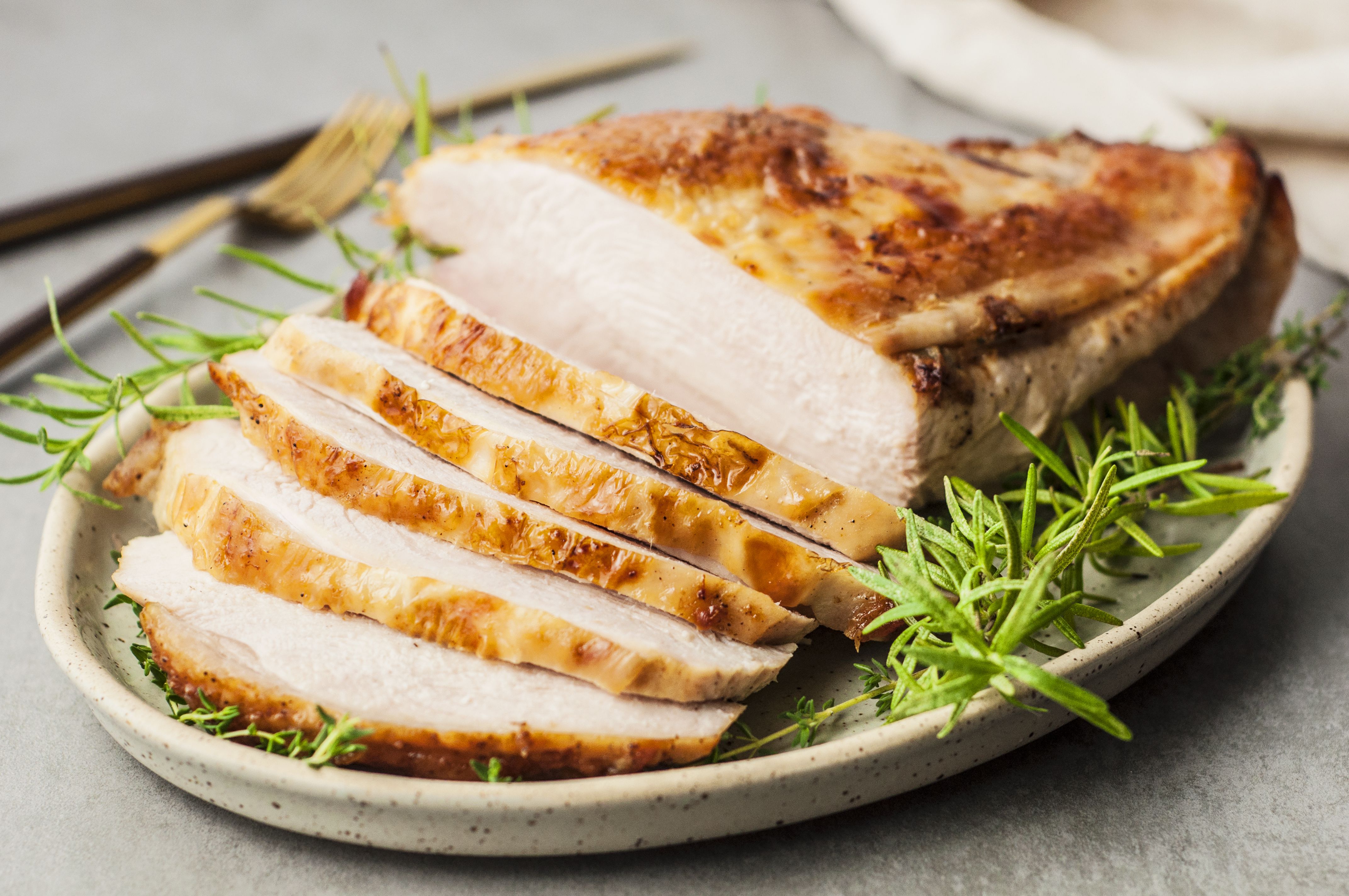
Bone-In vs. Boneless Turkey Breast: Your Roasting Guide for a Perfect Holiday Feast
The aroma of a perfectly roasted turkey filling your home is a quintessential part of the holiday season, but for many, roasting a whole bird feels like a monumental task. This is where the humble, yet incredibly versatile, turkey breast shines. Ideal for smaller gatherings, those who prefer white meat, or as an extra addition to a larger spread, a
roast turkey breast offers all the flavor without the fuss. But before you preheat your oven, a crucial decision awaits: bone-in or boneless? Each option brings its own set of advantages to the table, influencing cook time, juiciness, and carving ease. Let's delve into the great debate to help you achieve a show-stopping centerpiece every time.
Bone-In vs. Boneless: The Great Debate
Choosing between a bone-in and boneless turkey breast significantly impacts your roasting experience, from preparation to the final presentation. Understanding these differences is key to selecting the best option for your specific needs and culinary preferences.
The Allure of Bone-In Turkey Breast
A bone-in turkey breast, often sold as a split breast (two halves still attached) or a single half, is a favorite among traditionalists. The primary advantage of keeping the bone in is its ability to act as a natural insulator, which helps the meat cook more evenly and retain moisture. This often results in a noticeably juicier
roast turkey breast, as the bone shields the surrounding meat from drying out, particularly during longer cooking times. Furthermore, bones contribute a subtle depth of flavor to the meat and pan drippings, which can be invaluable for making gravies and sauces.
Visually, a bone-in breast often has a more rustic and traditional appearance once roasted, making for an impressive presentation. However, its bone structure does make carving a bit more challenging, requiring a sharp knife and some careful maneuvering to separate the meat cleanly. This might take a few extra minutes but is well worth it for the superior moisture and flavor many home cooks swear by.
The Convenience of Boneless Turkey Breast
Boneless turkey breasts are designed for convenience. Often sold netted or tied into a neat cylindrical shape, these breasts cook more quickly and uniformly than their bone-in counterparts. The absence of bones means there's less surface area to cook through, speeding up the entire process. This can be a huge time-saver, especially if you're juggling multiple dishes for a holiday meal or simply looking for a quicker weeknight option.
Carving a boneless
roast turkey breast is remarkably easy. Once roasted and rested, the perfectly shaped cylinder allows for effortless, consistent slices, making presentation a breeze and reducing waste. This makes it an excellent choice if you're aiming for uniformity or need to feed a crowd efficiently. While some argue that boneless options can be slightly less juicy if overcooked, proper technique and temperature monitoring can easily mitigate this concern, ensuring a tender and flavorful result.
When to Choose Which:
* Choose
bone-in for maximum juiciness, richer flavor, and a traditional aesthetic, especially if you don't mind a slightly longer cook time and more involved carving.
* Opt for
boneless when speed, ease of carving, and consistent slices are your top priorities. It's fantastic for quick meals or if you want a clean, elegant presentation with minimal fuss.
Preparing Your Perfect Roast Turkey Breast
Regardless of your bone choice, proper preparation is paramount to achieving a tender, flavorful, and juicy
roast turkey breast. From thawing to seasoning, each step contributes to the final delicious outcome.
Thawing Your Turkey Breast Safely
If you're starting with a frozen turkey breast, safe thawing is the first critical step. The USDA recommends thawing in the refrigerator, allowing approximately 24 hours for every 5 pounds of turkey. So, an 8-pound breast would typically need about two days. Always keep the turkey in its original packaging and place it on a rimmed baking sheet to catch any drips and prevent cross-contamination.
For a quicker defrost, you can use the cold water method. Keep the breast in its original packaging, place it in a large zip-top plastic bag (ensuring it's well-sealed to prevent water from contacting the meat), and submerge it in a large pot or sink filled with cold water. Replace the cold water every 30 minutes until the turkey is fully thawed. This usually takes 2 to 6 hours, depending on the size of the breast. Remember, once thawed using this method, the turkey should be cooked immediately.
Brining for Maximum Flavor and Moisture
To elevate your turkey breast to new heights of flavor and tenderness, consider brining. Both wet and dry brines work wonders, infusing the meat with seasonings and helping it retain moisture during roasting.
*
Wet Brine: Involves submerging the turkey in a solution of water, salt, sugar, and various aromatics (herbs, spices, citrus) for several hours or overnight. The salt solution helps the turkey absorb moisture, leading to a juicier result.
*
Dry Brine: A simpler method where you rub the turkey breast generously with a salt and spice mixture and let it sit uncovered in the refrigerator for 12-24 hours. The salt draws out moisture, which then reabsorbs, seasoning the meat deeply and helping to crisp the skin.
Whichever method you choose, ensure you allow enough time for the flavors to fully infuse the meat before roasting. Pat the turkey thoroughly dry after brining (especially for wet brining) to promote crispy skin.
Seasoning and Rubs: The Heart of Flavor
The right seasoning can transform a plain turkey breast into a culinary masterpiece. A simple yet incredibly effective approach is an herb butter rub. Combining softened butter with minced garlic, fresh lemon zest, and a medley of herbs like rosemary, thyme, and sage, creates a vibrant flavor profile. For an exceptional result, gently separate the skin from the breast meat and rub about two-thirds of the herb butter directly onto the meat, then rub the remaining butter over the skin. This ensures every bite is bursting with flavor and helps achieve that beautifully browned, crisp exterior. Olive oil also makes an excellent base for a spice rub, helping seasonings adhere and promoting browning.
A classic spice mix often includes paprika, oregano, onion powder, garlic powder, black pepper, and salt. Feel free to experiment with your favorite aromatics to personalize your
Easy Herb Butter Roast Turkey: Juicy & Crispy Skin. Remember, fresh herbs always offer a more vibrant aroma and taste.
Mastering the Roast: Tips for Success
Roasting a turkey breast is an art, but with a few key techniques, you can ensure a perfectly cooked, moist, and flavorful result every time.
Temperature and Time: The Gentle Roast
A gentle roasting temperature is crucial for preventing your turkey breast from drying out. Roasting at a consistent 325 degrees Fahrenheit (approximately 160°C) is highly recommended. This lower temperature ensures the meat cooks slowly and evenly, allowing it to retain its natural juices. Unlike whole turkeys, turkey breasts often don't require basting or covering with foil, thanks to this gentle heat and a good initial rub, which promotes browning and moisture retention.
Cooking times will vary based on whether your breast is bone-in or boneless, and its overall weight. A boneless breast will generally cook faster. The ultimate indicator of doneness is an internal temperature of 165°F (74°C) measured with an instant-read thermometer inserted into the thickest part of the breast without touching the bone.
Achieving That Irresistibly Crispy Skin
The secret to golden, crispy skin lies in a few simple steps:
1.
Dry the Skin: Pat the turkey breast thoroughly dry with paper towels before applying any rubs. Moisture is the enemy of crispiness.
2.
Apply Fat: A generous rub of herb butter or olive oil helps promote browning and crisping.
3.
Don't Baste: While counter-intuitive for some, continuous basting can actually prevent the skin from crisping by constantly re-wetting it. The gentle roast and initial rub are usually sufficient.
The Importance of Resting
Once your turkey breast reaches 165°F, remove it from the oven and tent it loosely with foil. Let it rest for at least 15-20 minutes before carving. This crucial resting period allows the juices to redistribute throughout the meat, ensuring every slice is wonderfully moist and tender. Skipping this step will result in juices running out onto the cutting board, leaving you with a drier bird.
Carving with Confidence
*
Boneless: For a boneless breast, simply remove any netting or string, and slice against the grain into even pieces.
*
Bone-in: For a bone-in breast, first remove the breast meat from the bone by cutting along the breastbone and then horizontally along the rib cage. Once freed, you can slice the meat against the grain.
Why Choose a Turkey Breast? Beyond the Holiday Table
While a
Roast Turkey Breast: Perfect for Smaller Holiday Meals, its appeal extends far beyond Thanksgiving or Christmas. It's an excellent choice for a variety of occasions and culinary needs:
*
Smaller Gatherings: No need to roast a whole bird for just a few people. A turkey breast provides plenty of delicious white meat without the daunting scale.
*
White Meat Preference: If your family predominantly prefers white meat, a turkey breast ensures everyone gets their favorite cut without any dark meat going to waste. You can even roast turkey dark meat (drumsticks, thighs) separately using similar seasoning methods, just adjust the cooking time as smaller pieces will cook faster.
*
Everyday Meals: Turkey breast is a lean, healthy protein that can be roasted for weeknight dinners, offering a delightful alternative to chicken.
*
Cost-Effective: Often, purchasing a turkey breast can be more economical than a whole turkey, especially if you only need white meat.
Tip for Leftovers: Any leftover turkey can be stored in an airtight container in the refrigerator for up to 4 days or in the freezer for up to 3 months. Repurpose it into sandwiches, salads, stir-fries, or comforting soups for delicious post-holiday meals!
Conclusion
Whether you opt for the deep flavor and juiciness of a bone-in turkey breast or the convenience and easy carving of a boneless one, mastering the
roast turkey breast opens up a world of culinary possibilities. By understanding the nuances of each, embracing safe thawing practices, experimenting with flavorful rubs and brines, and adhering to gentle roasting temperatures, you can consistently achieve a tender, moist, and spectacularly delicious result. So, go ahead, choose your champion, and prepare to impress your guests (or just yourself!) with a perfectly roasted turkey breast that proves big flavor doesn't always require a big bird.