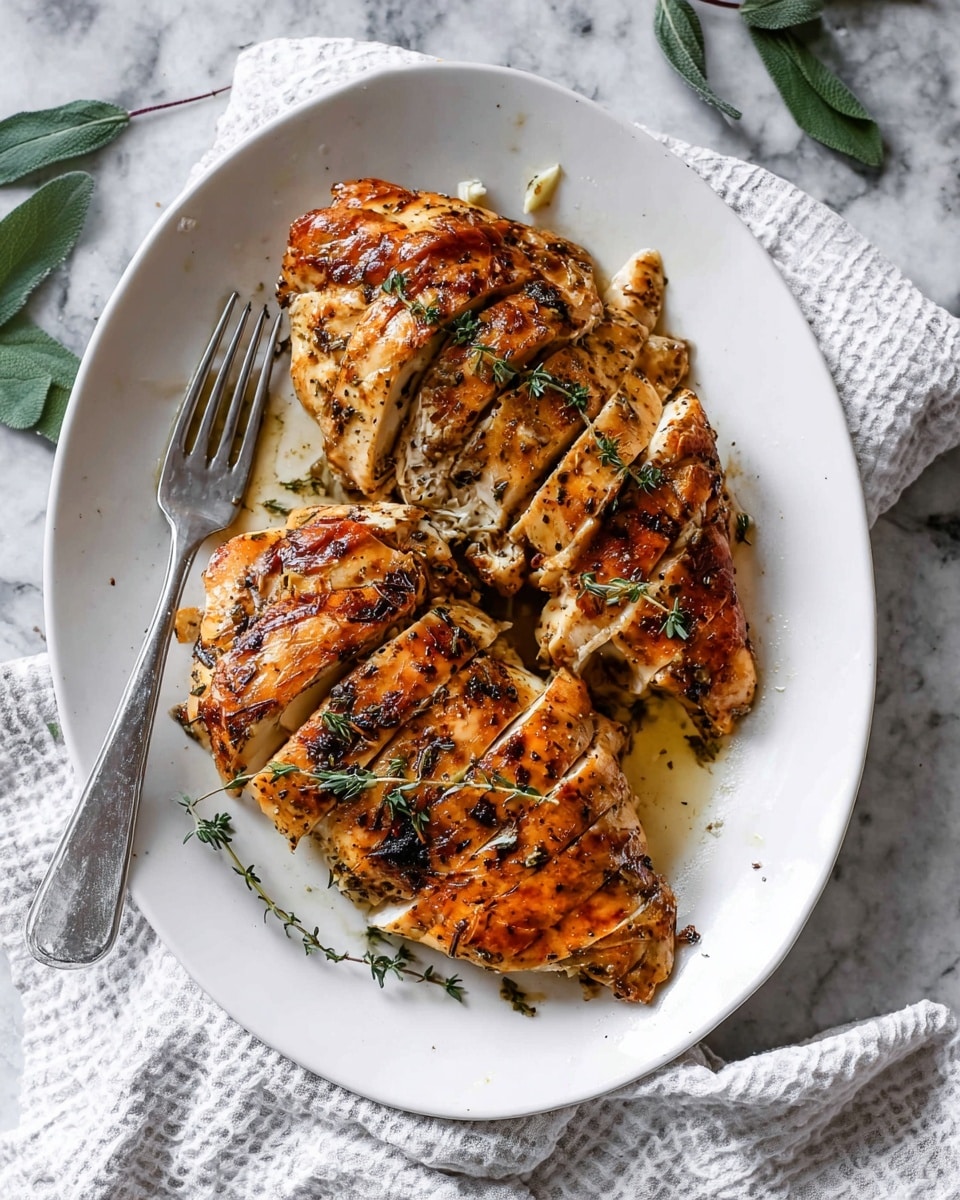
Easy Herb Butter Roast Turkey: Juicy & Crispy Skin Every Time
Imagine a holiday table set for a cozy gathering, or perhaps a grand feast where a little extra white meat is always a welcome sight. No matter the occasion, a perfectly cooked
roast turkey breast stands as a magnificent centerpiece, offering all the festive flavor of a whole bird without the typical fuss. This recipe focuses on delivering an incredibly juicy interior and a beautifully browned, crispy skin, all thanks to a luxurious herb butter rub. Say goodbye to endless basting and constant worry; this method ensures a moist, flavorful turkey with minimal effort, making it an ideal choice for any home cook looking to impress.
Why Choose a Roast Turkey Breast?
Opting for a
roast turkey breast is a smart move for several reasons. Firstly, it’s a fantastic solution for smaller holiday gatherings or if your family exclusively prefers white meat. It eliminates the need to wrestle with a massive whole turkey, significantly cutting down on both preparation and cooking time. Despite its smaller size, a turkey breast doesn't compromise on that classic holiday flavor. With its perfectly seasoned, crispy skin and tender, succulent meat, it promises to be a crowd-pleaser that simplifies your meal planning. It allows you to focus on other delicious sides or simply enjoy the company of your loved ones without the stress often associated with roasting a full-sized bird. It’s also an excellent addition to a larger spread if you know white meat will be in high demand. For more insights on why this is a great option for your table, check out our guide:
Roast Turkey Breast: Perfect for Smaller Holiday Meals.
Crafting the Perfect Herb Butter: The Secret to Flavor
The true magic of this
roast turkey breast lies in the fragrant herb butter. This isn't just any butter; it's a carefully crafted blend designed to infuse every fiber of the meat with savory goodness and contribute to that irresistible golden, crispy skin.
Ingredients for Your Herb Butter:
* 1 stick (1/2 cup) unsalted butter, softened
* 4-5 cloves garlic, minced (or 1 tbsp garlic powder)
* Zest of 1 lemon (about 1 teaspoon)
* 1 tablespoon fresh rosemary, finely chopped
* 1 tablespoon fresh thyme, finely chopped
* 1 teaspoon fresh sage, finely chopped (optional, but adds depth)
* 1 teaspoon onion powder
* 1 teaspoon smoked paprika (for color and subtle smoky notes)
* 1/2 teaspoon black pepper
* 1 teaspoon salt (adjust to taste, consider if brining)
How to Make and Apply:
In a small bowl, combine all the herb butter ingredients until well mixed. The key to maximum flavor is getting this butter *under* the skin of the turkey breast. Carefully separate the skin from the meat using your fingers or the back of a spoon, creating pockets. Gently push about two-thirds of the herb butter mixture into these pockets, spreading it as evenly as possible over the meat. The remaining butter should be rubbed generously over the top of the skin. This dual application ensures both the meat and skin are thoroughly seasoned and moisturized, setting the stage for a truly flavorful and juicy
roast turkey breast.
Preparing Your Turkey Breast for Roasting
Proper preparation is paramount for a successful
roast turkey breast. From thawing to seasoning, each step contributes to the final texture and taste.
Thawing Your Turkey Breast Safely
If you're starting with a frozen turkey breast, safe thawing is crucial. The USDA recommends thawing turkey in the refrigerator for approximately 24 hours for every 5 pounds. For an 8-pound turkey breast, this means about two days. Always keep the turkey in its original packaging and place it on a rimmed baking sheet to catch any drips.
For a quicker defrost, you can use the cold water method. Keep the breast in its original packaging, place it in a large zip-top plastic bag (ensuring it's sealed well to prevent water from contacting the meat), and submerge it in cold water. A large pot works well for this. Replace the cold water every 30 minutes until the breast is fully defrosted, which can take anywhere from 2 to 6 hours depending on the size.
To Brine or Not to Brine?
While our herb butter provides incredible flavor and moisture, brining is an excellent extra step to ensure an even juicier
roast turkey breast.
*
Wet Brine: Involves submerging the turkey in a salt-sugar-herb solution. This method hydrates the meat and adds flavor. Just ensure you allow sufficient time for brining (usually 8-12 hours) and pat the turkey very dry before applying the herb butter for crispy skin.
*
Dry Brine: Rubbing the turkey with a salt and spice mixture and letting it sit uncovered in the fridge for 1-3 days. This method draws moisture out, then reabsorbs it, concentrating flavors and tenderizing the meat. If dry brining, be mindful of the salt content in your herb butter.
Whichever method you choose, remember to pat your turkey breast thoroughly dry with paper towels before applying the herb butter. This helps achieve that coveted crispy skin.
Bone-In vs. Boneless Turkey Breast
When selecting your turkey breast, you'll generally find two options:
*
Bone-In Turkey Breast: Often sold as a single breast half or a full split breast. Many chefs prefer bone-in as the bone helps insulate the meat, leading to a juicier result. It also tends to have a more traditional, appealing presentation once roasted.
*
Boneless Turkey Breast: These are typically smaller and often sold netted or tied. They cook more quickly and are incredibly easy to carve and serve. They are a great choice if convenience and speed are your top priorities.
The best choice depends on your preference for juiciness, cooking time, and presentation. To delve deeper into this decision, read our comprehensive guide:
Bone-In vs. Boneless Turkey Breast: Your Roasting Guide.
Roasting to Perfection: Temperature & Timing
The secret to a beautifully moist
roast turkey breast with crispy skin lies in a gentle, consistent roasting temperature and proper internal doneness.
The Ideal Roasting Temperature
We'll be roasting our turkey breast at a steady
325 degrees Fahrenheit (160 degrees Celsius). This lower temperature is key to ensuring the meat cooks through evenly without drying out, while still allowing the skin to crisp beautifully. Place the turkey breast on a rack in a roasting pan to allow air circulation, promoting even cooking and browning.
No Basting, No Covering!
One of the greatest advantages of this recipe is its simplicity: no basting and no need to cover with foil. The herb butter, combined with the gentle roasting temperature, works its magic to keep the meat incredibly moist. Basting can actually lower the oven temperature and disrupt the browning process, while covering with foil can prevent the skin from achieving maximum crispness. Trust the process – leave it undisturbed for optimal results.
Achieving Perfect Doneness
The most critical step is knowing when your turkey is done. The only reliable way to tell is by using a meat thermometer. Insert the thermometer into the thickest part of the breast, making sure not to touch any bone. The internal temperature should register
165 degrees Fahrenheit (74 degrees Celsius).
Estimated Roasting Times (for a 6-8 pound breast at 325°F):
*
Bone-In Turkey Breast: Approximately 1 hour 45 minutes to 2 hours 30 minutes.
*
Boneless Turkey Breast: Approximately 1 hour 15 minutes to 1 hour 45 minutes.
Always rely on the internal temperature, not just the clock. Start checking about 15-20 minutes before the estimated finish time.
The Crucial Resting Period
Once your
roast turkey breast reaches 165°F, remove it from the oven and transfer it to a cutting board. Tent it loosely with foil and let it rest for at least 15-20 minutes before carving. This resting period is non-negotiable! It allows the juices to redistribute throughout the meat, ensuring every slice is incredibly moist and flavorful. Skipping this step results in dry turkey, as all the juices will escape when you cut into it.
Tips for Success and Serving Suggestions
To round out your perfect
roast turkey breast experience, consider these final tips and ideas.
Carving Your Roast Turkey Breast
After resting, carving is straightforward. If bone-in, carefully cut along the breastbone to separate the meat from the bone, then slice against the grain. For boneless, simply slice against the grain into desired thicknesses.
Making the Most of Leftovers
A delicious
roast turkey breast often means equally delicious leftovers! Store any leftover turkey in an airtight container in the refrigerator for up to 4 days, or freeze it for up to 3 months. Leftover turkey is incredibly versatile; transform it into sandwiches, salads, stir-fries, quesadillas, or even a hearty turkey noodle soup.
Roasting Other Turkey Cuts
This herb butter method isn't just for turkey breast! You can apply the same seasoning and butter rub to turkey dark meat, such as drumsticks, thighs, or full legs. Just remember that smaller pieces will cook faster. Start checking for doneness (165°F internal temperature) after about 1 hour and 15 minutes for individual dark meat pieces.
Conclusion
Creating a truly delicious and memorable
roast turkey breast doesn't have to be an intimidating task. With the simple yet effective technique of an herb-infused butter rub and a gentle roasting temperature, you can achieve a wonderfully juicy turkey with a golden, crispy skin every single time. Whether you're hosting a small family dinner, supplementing a larger holiday meal, or simply craving a perfectly cooked turkey, this recipe provides a foolproof path to a stress-free and incredibly flavorful experience. So, gather your ingredients, follow these steps, and prepare to enjoy a turkey that’s as easy to make as it is delightful to eat.